
It was early March, 2020 when the news about COVID-19 began feverishly spreading locally. The city and suburban school districts began closing, and the libraries were soon to follow. The closing orders seemed to come down so quickly that it was a mad scramble to prepare our workforce for working remotely and to adjust our service model to being delivered digitally. So how did we manage? Not bad, actually.
Our entire staff was motivated to make this transition and transformation into a digital library work. My department, Information System Services, is mainly responsible for providing the technological infrastructure, supplies, and technical support for our libraries to serve the patrons of Onondaga County. For us, the days leading up to the system-wide closure, and thereafter, were spent ensuring that administrative staff were able to remotely access resources on our internal network. This meant issuing company-owned laptops, getting VPN accounts created, and then providing the training and support needed to ensure that each user was situated to work remotely. Luckily, this was only necessary for a small percentage of our workforce.
Staff units now needed the tools necessary to meet and collaborate virtually. For this, we quickly deployed Microsoft Teams, Yammer, and Zoom, all while learning, configuring, and developing policies and procedures for these tools simultaneously. Our top librarians focused on maintaining continuity of service to our patrons. Some of these services include: lending books and other materials, public programming, providing referrals, and research assistance. Meanwhile our communications department worked to develop and publish online content to promote the new resources and offerings that were being made available. So we’re all good, right? Not quite.
A lot of good work has been done to keep our staff and patrons active and engaged. However, I would be remiss to not acknowledge the unfortunate reality that there are many people who are unable to take advantage of these resources and opportunities. The truth is that we do have staff members that, like many of our patrons, have little to no internet access or have limited devices to work with at home. This means they may have missed out on training opportunities, or had the inability to listen in on informative webinars and participate meaningfully in work-related activities. Our patrons in this boat lose out twice. Due to our closure, two of our most demanded services are not available: public access computers and free internet.
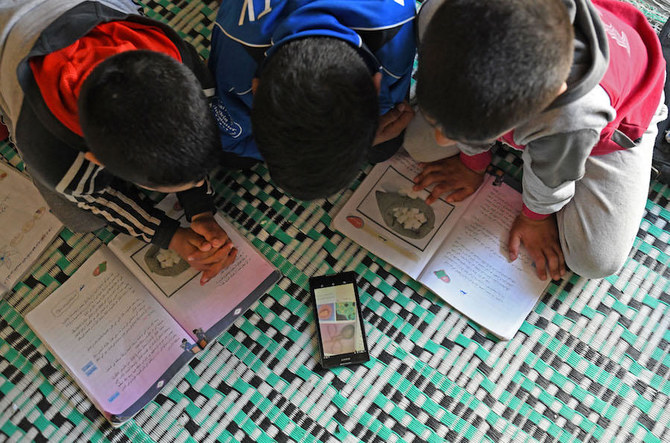
Without access to our public network and PCs, many individuals have been unable to further their job searches, access government resources, or stay connected to their loved ones. Our student population also felt this impact as many, especially in Black and Brown communities which are disproportionately affected by the digital divide, depend on our services to complete homework assignments and research projects. When schools closed, they were also asked to “work from home”. It is reasonable to assume that many of these students were unable to access virtual class sessions or their online portals.
If we are to “re-imagine ” education, as suggested by Governor Andrew Cuomo, we have a lot to address to ensure that all of our citizens can equally participate in this virtual education system. The same holds true for any other sector continuing to digitize their services. The current pandemic is showing us that it is unacceptable to leave paper/in-person services as the the only plausible alternative to latest and greatest digitization initiatives. We need to find creative solutions and take additional considerations to make sure that as we fly to new heights of innovation , our most disadvantaged also have a seat on that plane. Failure to do so will continue to perpetuate the paradoxical affects of technological innovation.
 Dane A. Dell, Ph.D.